For most of the 1800s, people sent each other coded bouquets. A red rose meant one thing, a yellow one meant another, and getting the arrangement wrong could quietly end a courtship. The Victorians called it floriography, the language of flowers, and they kept whole dictionaries to keep up.
The system always had one fatal flaw: flowers die. You can compose the most heartfelt bouquet on the block and find it brown by the following Tuesday, your meaning in the compost.
A crocheted flower keeps the message on the shelf for years. Here is what the best-loved blooms have meant, so you can say it on purpose.
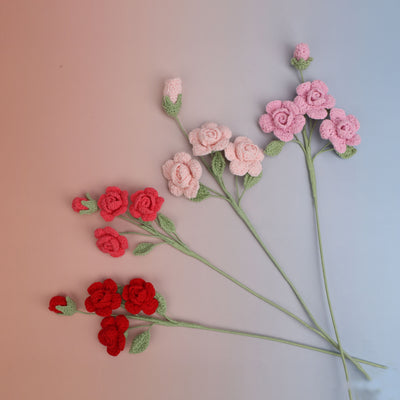
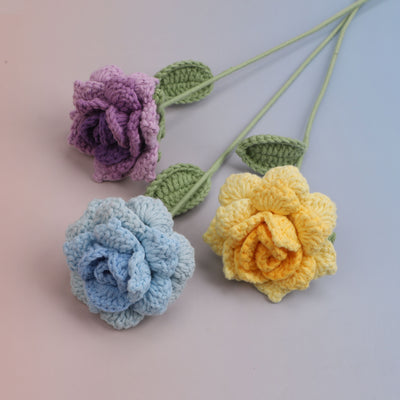
Rose: love, in every dialect
Red for romance, pink for gratitude, white for new beginnings, yellow for friendship. The one flower fluent in almost any feeling.
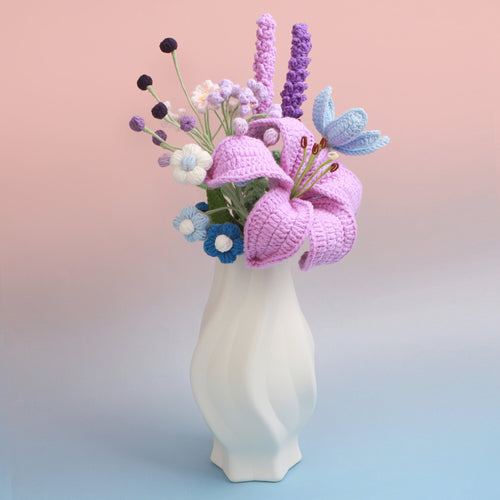
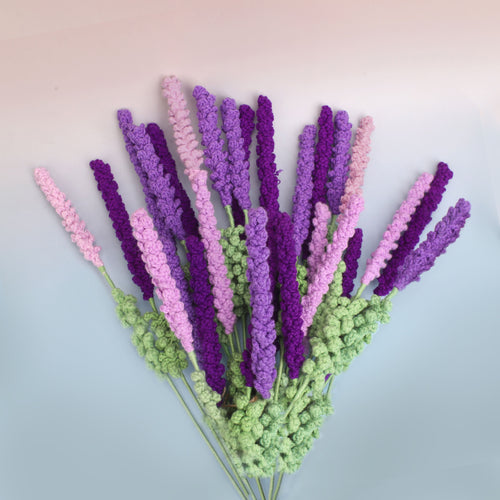
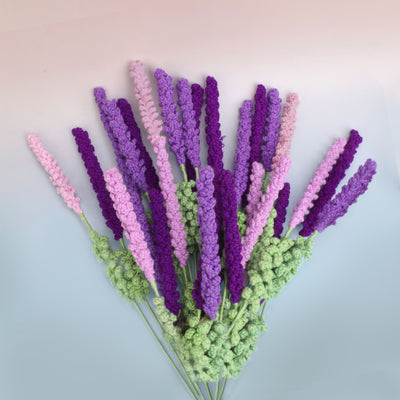
Lavender: devotion and calm
The flower for the person who steadies you. Old-fashioned, in the best way.
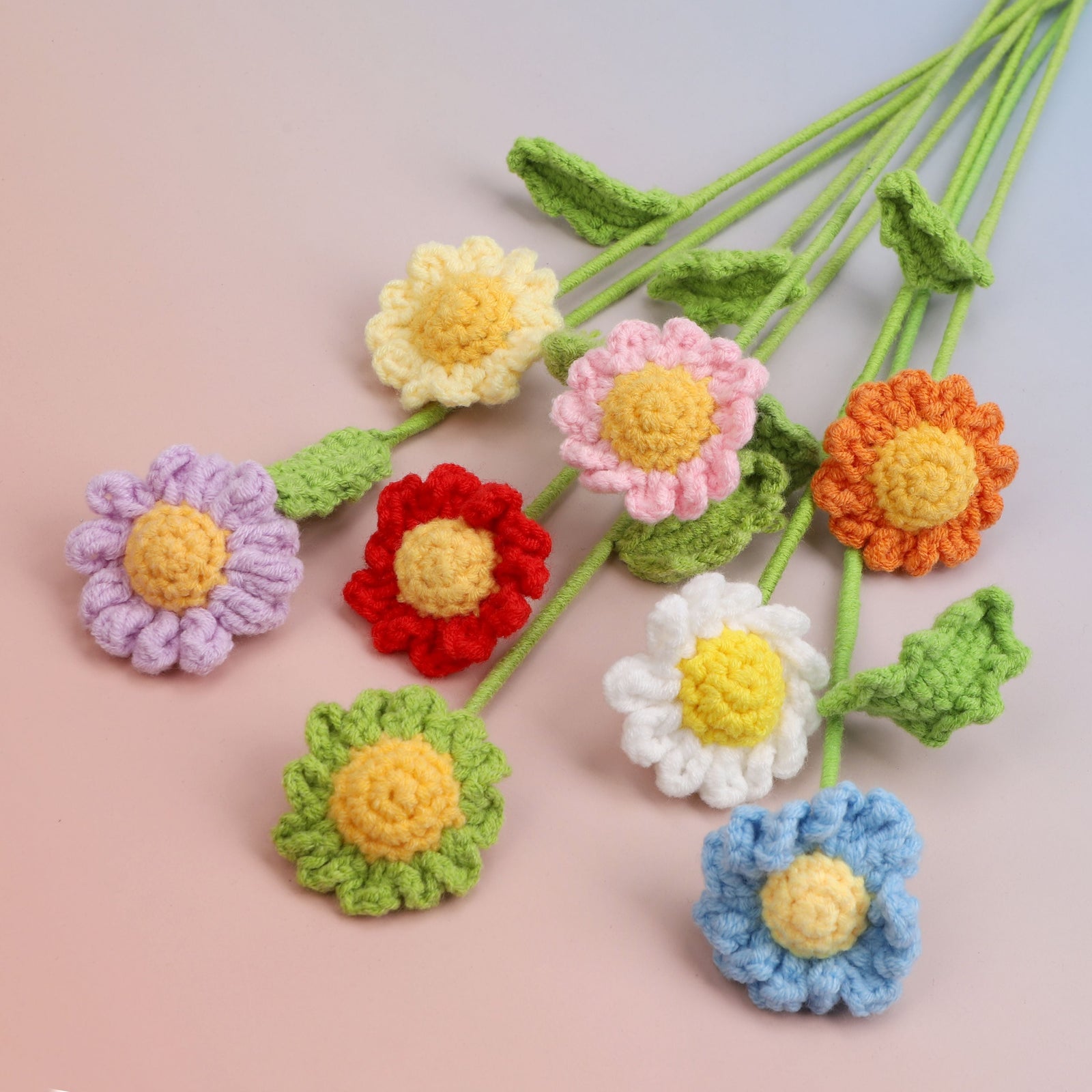
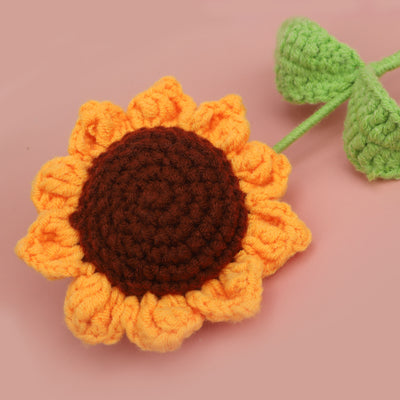
Sunflower: adoration and warmth
It turns to face the light, which is roughly what it says to whoever you give it to.
 Sunflower
$6
Sold out
Sunflower
$6
Sold out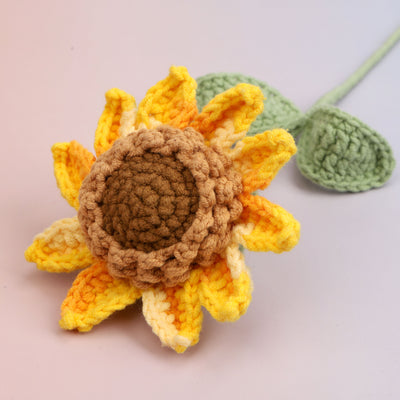
Lily: renewal
A graceful choice for a new home, a new baby, or a fresh chapter.

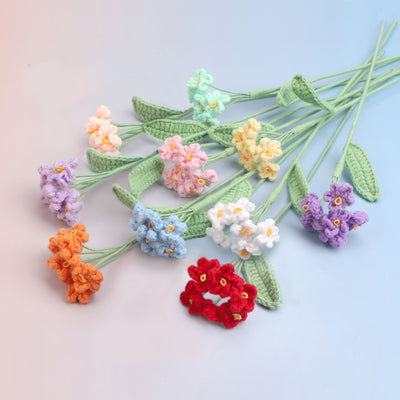
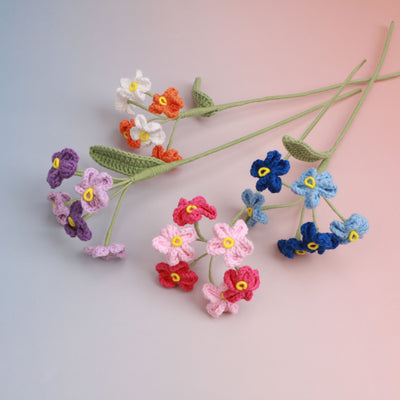
Forget-me-not: remembrance
Small, blue, and exactly as sentimental as it sounds.
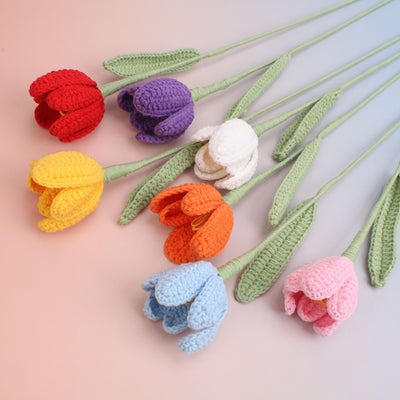
Tulip: a plain declaration of love
Everything a rose says, with a little less ceremony.
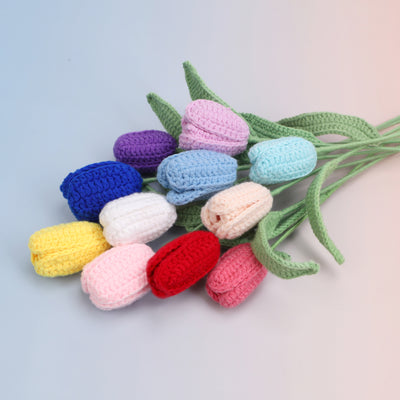
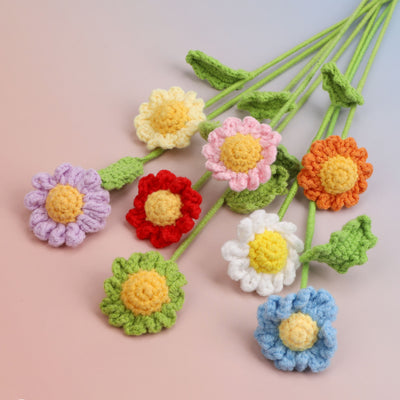
Daisy: innocence and cheer
The flower that reads as a smile.
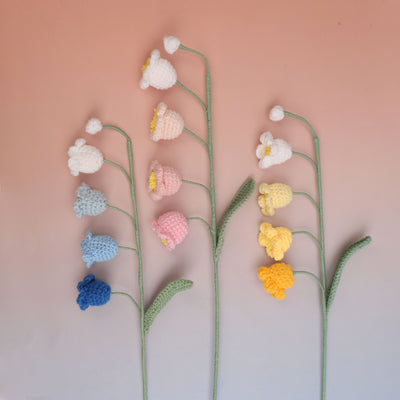
Lily of the valley: the return of happiness
Traditionally given in spring, and at weddings.
Build a bouquet that says something
Pick six stems or more and the meanings stack: a rose for love, lavender for calm, forget-me-nots so they remember who sent it. Your forever-bouquet discount applies at checkout, and nothing in it will ever need water.